Peter McGinn
8
By Peter McGinn
This movie is described as a comedy-drama and it is. But I didn’t have many laugh out loud moments. The humor is situational mainly: the writers work up to those moments that make you smile, either because you remember a similar moment in your life, or else because you can’t imagine a similar moment.
As happens so often, the story is based on real events. I saw where one review title said it is heartbreaking, but I didn’t see that at all. The movie is fairly uplifting in that it shows the strengths of a family that values all of its members, particularly the very old, whose wisdom and experience aren’t as well received in many American families.
When I think about it, nothing definitive seems to happen in the film: no crisis, no climax of action, but this lack of great drama didn’t detract from enjoying the movie. It is all about the journey, not the destination. Enjoy the trip.
badelf
8
By badelf
The Farewell (2019)
Directed by Lulu Wang
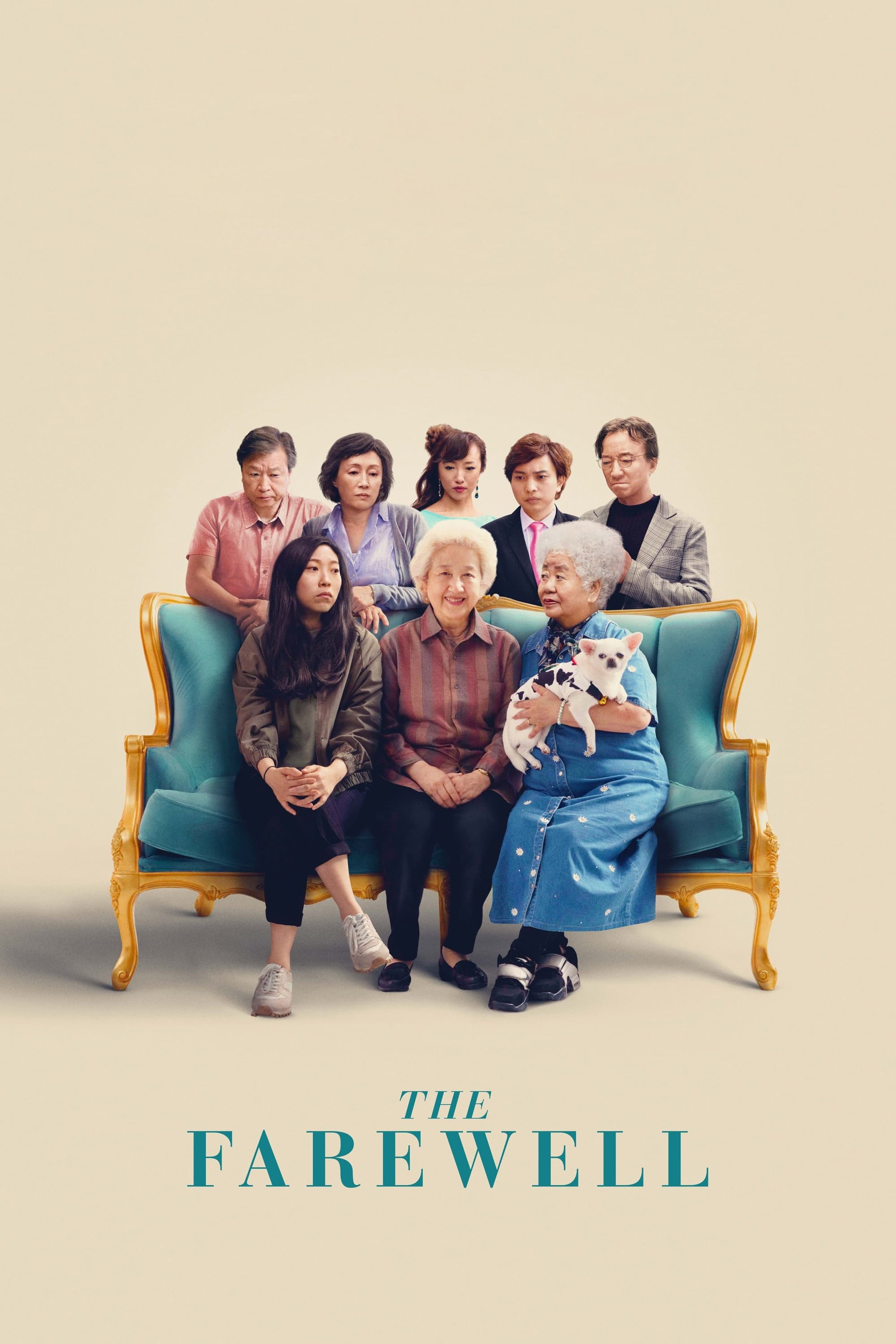
Lulu Wang's The Farewell begins with a title card: "Based on an actual lie." The lie in question is both simple and profound: when Nai Nai (Zhao Shuzhen) is diagnosed with terminal lung cancer, her family decides not to tell her. Instead, they stage a wedding as an excuse to gather from around the world to say goodbye without her knowing it's goodbye. Billi (Awkwafina), raised in America, struggles with the deception, caught between her Western conviction that Nai Nai has a right to know and her family's insistence that this lie is an act of love, that carrying the emotional burden for her is how they honor her.
Wang's direction is excellent throughout, her pacing assured, her vision clear. She tells this story without sentimentality or judgment, allowing the premise to generate both comedy and genuine feeling. It's a delightful film with soul, mining humor from the awkwardness of the fake wedding, the family dynamics, the elaborate charade everyone must maintain. The lie becomes a tool to explore not just cultural differences but the variations within families themselves; even among the Chinese relatives, there are disagreements about whether this approach is right.
Personally, I'm fine with the cultural premise as a storytelling device. It highlights real differences in how families approach death and truth, though in our shrinking world these distinctions matter less unless they're personally significant. What matters is whether the film earns its emotional stakes, and mostly, it does.
Zhao Shuzhen is so endearing and sincere as Nai Nai that I wish she were my own grandmother. Her performance is Oscar-level, full of warmth and stubborn vitality, completely unaware she's at the center of an elaborate fiction. She makes us understand why the family would go to such lengths to protect her, why they'd rather carry the grief themselves than let her face it. Every scene she's in radiates genuine affection; she's the beating heart of the film.
Which makes Awkwafina's performance all the more disappointing. This is a major role requiring her to maintain the lie convincingly while processing her own grief privately, and she transmits her sadness to her grandmother in every frame. One of my acting teachers used to say, "If it's a lie in the script you sure as hell better lie on stage!" Awkwafina can't quite manage it. Her face registers the weight of what she knows constantly, telegraphing grief when the character is supposed to be hiding it. For the premise to work, we need to believe Nai Nai is genuinely fooled; when Billi looks perpetually on the verge of tears, it strains credibility that this sharp, observant woman notices nothing.
Still, Wang has crafted something warm and thoughtful here, a film that takes a potentially maudlin premise and finds both humor and humanity in it. It's about family, about the lies we tell because we love each other, about the different ways cultures and generations navigate impossible situations. The film suggests there may be no right answer, only the answer that feels right to the people involved, and that's a generous, mature perspective.
The Farewell works despite its central performance because everything around it, especially Zhao Shuzhen's luminous work, more than compensates. It's a comedy with a soul, and that's enough.